
EQA Participated in the 3rd SADC Qualifications Framework Technical Working Group Workshop
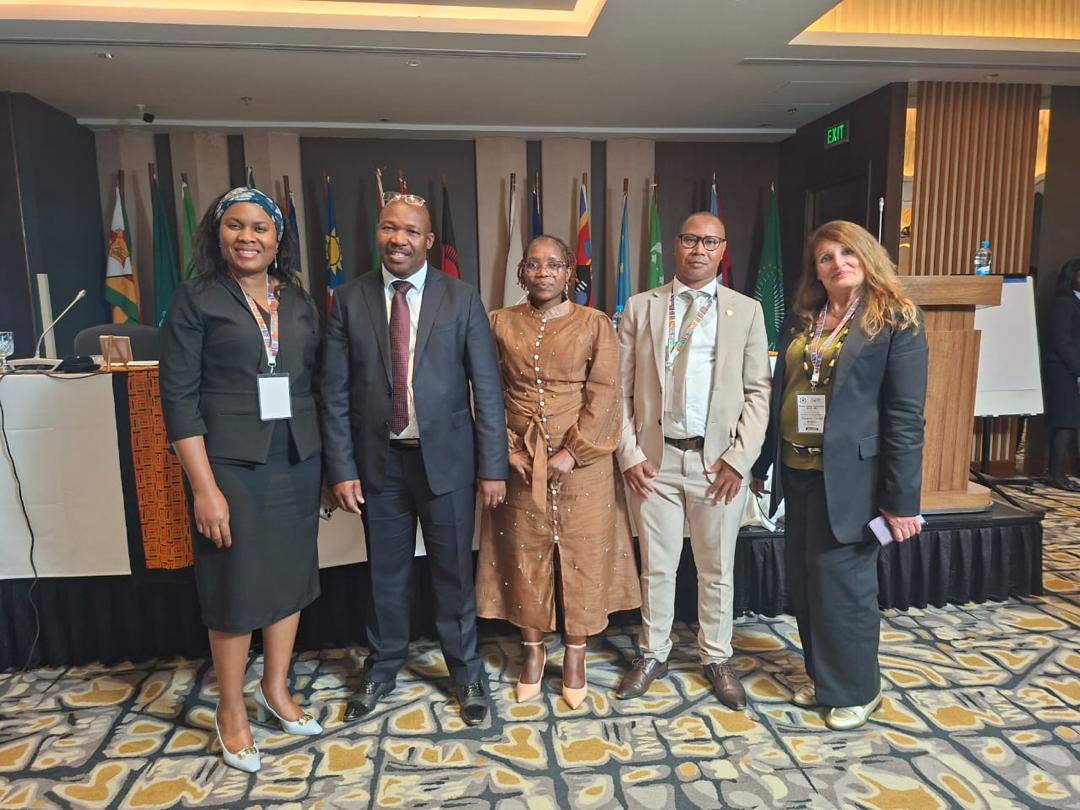
Representing the Kingdom of Eswatini at the important regional engagement were the EQA Executive Secretary, Mboni Dlamini, and Qualifications Officer, Thulsile Dlamini.
The workshop brought together representatives from SADC Member States, the SADC Secretariat, the Southern African Quality Assurance Network (SAQAN), and technical experts to advance the implementation of the revised SADC Qualifications Framework. The meeting provided a strategic platform for regional dialogue, technical cooperation and the sharing of experiences aimed at strengthening the quality, comparability, recognition and mobility of qualifications across the SADC region.
A key focus of the discussions was the practical recognition of qualifications and the promotion of learner and worker mobility across borders. Participants emphasised that the referencing of National Qualifications Frameworks to the SADC Qualifications Framework should translate into meaningful and practical benefits for learners and graduates. These included improved recognition of certificates and qualifications, accessible and reliable qualification registers, and clearer pathways for further education and cross-border employment.
The discussions also highlighted the challenges faced by some graduates who, after obtaining qualifications in another SADC Member State, were required to undergo additional examinations or assessments when returning to their home countries. Participants stressed the importance of strengthening regional cooperation and trust in national quality assurance systems to reduce unnecessary barriers and support the effective recognition of credible and quality-assured qualifications.
The workshop further advanced discussions on the development of regional guidelines and approaches in several emerging and priority areas, including:
Micro-credentials, to support flexible, targeted and lifelong learning opportunities;
Referencing to the SADC Qualifications Framework, to promote transparency, comparability and trust among national qualifications systems;
Green skills, in response to changing labour market needs and the transition towards environmentally sustainable economies;
Quality assurance, to strengthen confidence in education, training and qualifications across the region; and
Artificial intelligence in education and qualifications, with a focus on preparing qualifications systems for technological transformation and the future of work.
The meeting also provided an opportunity for Member States to share national developments and experiences relating to National Qualifications Frameworks, qualification registers, lifelong learning, recognition practices and the development of future-oriented skills.
EQA's participation reflected Eswatini's continued commitment to regional integration and cooperation in the development of a credible, transparent and internationally comparable qualifications system. Through its engagement in the SADCQF process, the Authority contributed to regional efforts aimed at improving the recognition and portability of qualifications, strengthening quality assurance and creating better opportunities for learners, graduates and workers within the region.
The workshop marked an important step towards building a more connected and responsive regional qualifications landscape—one that supports lifelong learning, facilitates learner and worker mobility, responds to emerging skills needs and strengthens confidence in qualifications across SADC.
Together, SADC Member States continued working towards a future-ready qualifications system that promotes trust, recognition, quality and meaningful opportunities across borders.